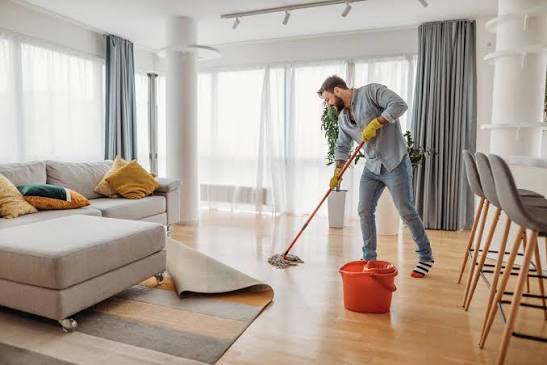
Keeping your home clean goes far beyond appearances. A well-maintained living space directly affects your physical health, mental clarity, and overall quality of life. Studies show that people who live in cleaner homes report lower stress levels, better sleep, and improved productivity. Yet for many households, cleaning feels like an endless, overwhelming task. The good news? With the right approach to home cleaning, even the most cluttered spaces can become calm, hygienic, and welcoming—without consuming your entire weekend.
This guide breaks down everything you need to know: from room-by-room strategies and cleaning frequency to the products worth using and the habits that make a real difference over time.
Why a Clean Home Matters More Than You Think
The connection between cleanliness and well-being is well-documented. According to research published in the Personality and Social Psychology Bulletin, people with cleaner homes tend to have lower cortisol levels—the hormone associated with stress. Separate findings from the National Sleep Foundation suggest that individuals who make their beds each morning are 19% more likely to report getting a good night’s sleep.
Beyond mental health, indoor air quality is a growing concern. The U.S. Environmental Protection Agency (EPA) notes that indoor air can be two to five times more polluted than outdoor air, largely due to dust, pet dander, mold spores, and volatile organic compounds from household products. Regular cleaning directly reduces these pollutants.
A clean home also reduces the spread of germs. High-touch surfaces—doorknobs, light switches, remote controls—can harbor bacteria and viruses for hours to days. Routine disinfection of these areas plays a meaningful role in preventing illness, particularly during cold and flu season.
How Often Should You Clean Each Area of Your Home?
One of the most common questions people have is about cleaning frequency. There is no single answer that works for every household, but the following framework offers a practical starting point.
Daily Tasks That Take Less Than 15 Minutes
Wipe down kitchen counters after cooking
Wash dishes or load the dishwasher
Sweep or spot-clean high-traffic floors
Make beds
Empty small trash bins
These micro-tasks prevent buildup and make weekly cleaning far less demanding.
Weekly Tasks Worth Prioritizing
Vacuum carpets and rugs
Mop hard floors
Scrub bathroom sinks, toilets, and showers
Dust surfaces and ceiling fans
Clean mirrors and glass surfaces
Change bed linens
Monthly and Seasonal Deep Cleaning
Clean inside the refrigerator and oven
Wash windows (inside and out)
Wipe down baseboards and door frames
Launder curtains and decorative cushion covers
Clean behind and beneath large appliances
Declutter storage areas
Room-by-Room Cleaning Strategies That Actually Work
Kitchen: The Room That Needs the Most Attention
The kitchen sees heavy daily use, which means grease, food residue, and bacteria accumulate quickly. Focus on the sink first—it’s one of the germiest spots in the home. Disinfect it daily and scrub it thoroughly once a week. For stovetops, a paste of baking soda and water is effective at cutting through grease without harsh chemicals.
Refrigerator interiors should be wiped down monthly. Remove expired items, clean shelves with warm soapy water, and dry thoroughly before replacing food. This prevents mold growth and odors.
Bathrooms: Small Space, Big Impact
Bathrooms require consistent attention because moisture creates ideal conditions for mold and mildew. After showering, run the exhaust fan for at least 20 minutes to reduce humidity. Spray tiles and grout with a diluted white vinegar solution weekly to prevent mold from taking hold.
Toilet cleaning is non-negotiable. Apply a disinfectant cleaner under the rim, let it sit for several minutes, then scrub thoroughly. Don’t overlook the handle, seat hinges, and the base—areas often missed during quick cleans.
Living Areas: Dust and Air Quality First
Living rooms and common areas accumulate dust faster than most people realize, especially in homes with pets or carpets. Vacuum upholstered furniture regularly using an upholstery attachment, and wash throw blankets and pillow covers every few weeks.
Dust using a microfiber cloth rather than a dry duster, which tends to spread particles rather than capture them. Work from top to bottom—ceiling fans and shelves before floors—so falling dust gets picked up last.
Bedrooms: The Space Most Tied to Your Health
Bedrooms deserve more attention than they typically receive. Mattresses should be vacuumed monthly and rotated every three to six months. Pillows can be washed every three months; replace them entirely every one to two years.
Closets benefit from a seasonal edit—removing items that are no longer worn reduces clutter and makes it easier to keep the space tidy.
Choosing the Right Cleaning Products
The cleaning product market is crowded, and not every product lives up to its claims. A few principles cut through the noise.
Multi-surface cleaners are practical for everyday use on counters, appliances, and non-porous surfaces. Look for EPA Safer Choice-certified products if you want to minimize chemical exposure.
Microfiber cloths outperform paper towels for most tasks. They trap particles at a microscopic level and can be laundered hundreds of times, making them both effective and economical.
Natural alternatives like white vinegar, baking soda, and castile soap handle a surprising range of tasks. Vinegar is effective against many common bacteria and cuts through mineral deposits and light grease. Baking soda deodorizes and provides gentle abrasion. That said, avoid using vinegar on natural stone surfaces like marble or granite, as it can cause etching.
Disinfectants are distinct from cleaners. Cleaning removes dirt and debris; disinfecting kills pathogens. For surfaces that require disinfection—particularly in bathrooms and kitchens—use an EPA-registered disinfectant and allow the required contact time (usually listed on the label) before wiping.
Habits That Make Cleaning Easier Long-Term
The most effective cleaning routines share one thing in common: they reduce the effort required at any given moment by staying consistent. A few habits make a measurable difference.
The “one in, one out” rule prevents clutter from accumulating. Every time something new enters the home, something unused leaves it.
Immediate attention to spills prevents staining and bacterial growth. A stain treated within minutes is far easier to remove than one left to set overnight.
Designated storage for everything makes tidying faster. When every item has a logical home, putting things away becomes almost effortless.
Involving the whole household distributes the load. Research from the American Psychological Association suggests that shared domestic responsibilities are linked to higher relationship satisfaction and lower burnout.
How long does it take to clean a home thoroughly?
For an average three-bedroom home, a thorough weekly clean typically takes between two and four hours, depending on the level of clutter and how recently it was last cleaned. Breaking tasks across multiple days makes the process more manageable.
What is the most hygienic way to clean a kitchen sponge?
Microwave a damp sponge on high for two minutes or soak it in a diluted bleach solution (one tablespoon of bleach per gallon of water) for five minutes. Even with regular sanitizing, sponges should be replaced every one to two weeks.
Is it better to clean from top to bottom or bottom to top?
Always clean from top to bottom. Dust and debris fall downward, so cleaning floors last ensures you capture everything that’s been displaced from higher surfaces.
How can I remove mold from bathroom grout?
Apply a paste of baking soda and hydrogen peroxide directly to the grout, leave it for 10–15 minutes, then scrub with a stiff brush. For persistent mold, a diluted bleach solution is more effective—ensure the area is well-ventilated when using it.
What is the single most impactful cleaning habit?
Consistency. Cleaning little and often prevents the kind of deep buildup that requires hours of intensive effort. A daily 10-minute tidy combined with a structured weekly routine keeps most homes in good condition with minimal stress.
Building a Cleaner Home, One Habit at a Time
There is no shortcut to a consistently clean home—but there is a smarter path. The households that maintain clean, organized spaces are rarely the ones who spend entire Saturdays scrubbing. They are the ones who have built small, reliable habits that prevent mess from compounding.
Start with one room, one routine, or even one daily task. Measure the difference it makes after a week. From there, layer in additional habits gradually. Over time, what once felt like a burden becomes a background rhythm—something that quietly improves every aspect of daily life, from the air you breathe to the quality of your sleep.