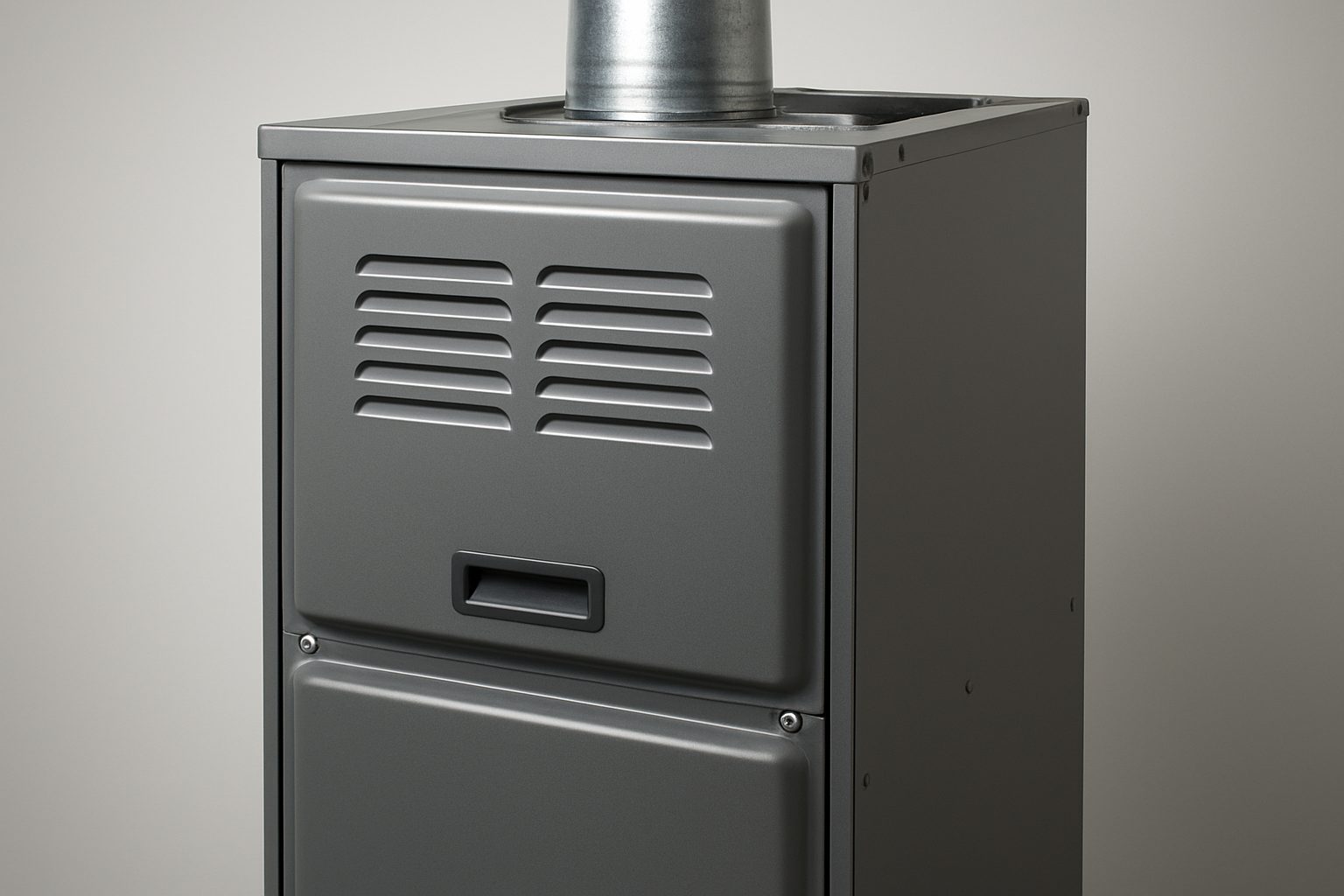
After sitting idle for months, your furnace doesn’t just switch back on without a hitch. Los Angeles County homeowners often discover problems only when the season’s first cold snap arrives, and the system they haven’t touched since spring suddenly won’t cooperate. This FAQ-style guide answers the questions we hear most often about seasonal readiness, safety, and prevention, so you can walk into winter with confidence instead of guesswork. If you need hands-on heating furnace repair, our team is ready to help, but there’s plenty you can check and understand on your own first.
What should I do before the first cold night arrives?
The smartest move is to test your system before you actually need it, ideally on a mild afternoon rather than the coldest night of the year. Turn the thermostat to heat mode and set the temperature a few degrees above the current room reading. Listen for the furnace to ignite and run through a full cycle without shutting off unexpectedly.
While it’s running, walk through the house and check whether air is flowing from every vent. Weak airflow in certain rooms can point to duct issues or a blower struggling to keep up. This simple test, done ahead of time, gives you a chance to schedule a repair on your own timeline instead of during an emergency.
How can I tell if my furnace needs professional attention versus a simple fix?
Some problems are worth checking yourself before calling for help. Confirm the thermostat is actually set to heat mode, not just power on. Check that your breaker hasn’t tripped. Look at the air filter and replace it if it’s visibly dirty or clogged.
If you’ve handled those basics and the furnace still won’t start, shuts off shortly after igniting, or produces weak heat throughout the house, it’s time for a trained eye. Repeated short cycling, grinding or screeching sounds, or any burning smell beyond a brief, dusty odor on first startup all point toward issues that require diagnostic equipment and experience to resolve safely.
What does a gas smell mean, and what should I do?
Natural gas is given a distinct odor specifically so leaks are noticeable. If you smell gas anywhere near your furnace or elsewhere in your home, don’t try to diagnose the source yourself. Leave the house immediately, and once you’re outside, call SoCalGas at 1-800-427-2200. Avoid flipping light switches, using your phone inside, or doing anything that could create a spark before you’ve left the building.
Once the utility company has confirmed the area is safe, a technician can inspect the system to identify and repair the source of the leak. This isn’t a situation where waiting to see if the smell goes away is a reasonable option.
How do I stay aware of carbon monoxide risks?
Carbon monoxide is a byproduct of gas combustion, and a properly functioning furnace vents it safely outside your home. Problems arise when a heat exchanger develops a crack, a flue becomes blocked, or back-drafting pulls exhaust gases back into living spaces instead of venting them outdoors.
When should I shut my heating system off completely?
If you smell gas, hear unusual banging or popping that suggests delayed ignition, or notice a constant burning or hot-plastic odor rather than a brief startup smell, shut the system down and avoid running it again until it’s been inspected. Running a furnace with a suspected heat exchanger crack or gas issue isn’t a risk worth taking to stay warm for one more night.
A properly working carbon monoxide detector that sounds an alarm is also a clear signal to shut the system off immediately and get everyone out of the house into fresh air before calling for emergency help.
How often should I change my furnace filter?
A clogged filter restricts airflow, which forces your system to work harder and can even trigger a safety shutoff designed to prevent overheating. During regular use in the heating season, check the filter monthly and replace it when it looks visibly dirty, typically every one to three months depending on the filter type and whether you have pets.
What thermostat care should I be doing?
Thermostats are easy to overlook, but a miscalibrated or malfunctioning one can mimic a furnace problem entirely. Confirm the display is accurate by comparing it to a separate room thermometer. If your thermostat uses batteries, replace them at the start of the season rather than waiting for a low-battery warning in the middle of a cold snap.
If you’ve recently upgraded to a smart or programmable thermostat, double-check that your heating schedule reflects your actual routine, especially if your schedule shifted since you last used the heat. A thermostat that’s calling for the wrong temperature, or not communicating properly with your system, can leave rooms cold even when the furnace itself is working fine.
Why do furnace problems look different in San Fernando Valley and LA County homes compared to other regions?
Duct leaks and gaps in attic insulation also play a bigger role locally than homeowners often expect. Heated air moving through an uninsulated attic duct run loses warmth before it ever reaches the room, making the furnace work harder to achieve the same comfort level.
How do I choose a local furnace service provider?
Look for a company with a verifiable license, in California, that means a C-20 contractor license through the CSLB, along with a strong track record of customer reviews specific to heating work, not just air conditioning. Confirm the technicians are properly certified and ask whether a carbon monoxide and combustion safety check is included as a standard part of every gas furnace visit, not offered only as an add-on.
Preparing Now Saves You from a Cold Surprise Later
Furnaces don’t fail without warning so much as they fail quietly, during the months nobody’s paying attention. Testing your system before the first genuinely cold night, staying alert to smells and sounds that don’t belong, and keeping up with filter and thermostat basics are small habits that prevent much bigger headaches. When something doesn’t check out, or you’d rather have a professional confirm everything is safe before winter settles in, scheduling an inspection ahead of time is always easier than waiting for an emergency call on the coldest night of the year.
Key Takeaways
- Homeowners should test their furnace before the cold season to avoid emergencies and schedule any necessary repairs at a convenient time.
- Weak airflow in certain rooms can indicate duct issues or blower problems that need to be addressed.
- If a gas smell is detected, homeowners must leave the house immediately and contact SoCalGas without trying to diagnose the leak themselves.
- Carbon monoxide production is a risk when a furnace has a malfunctioning heat exchanger or blocked flue, necessitating immediate system shutdown in such cases.
- Furnace filters should be checked monthly and replaced when visibly dirty to ensure proper airflow and prevent system strain.
- Choosing a local furnace service provider should involve verifying their licensing and certification, along with confirming that necessary safety checks are part of their service.