
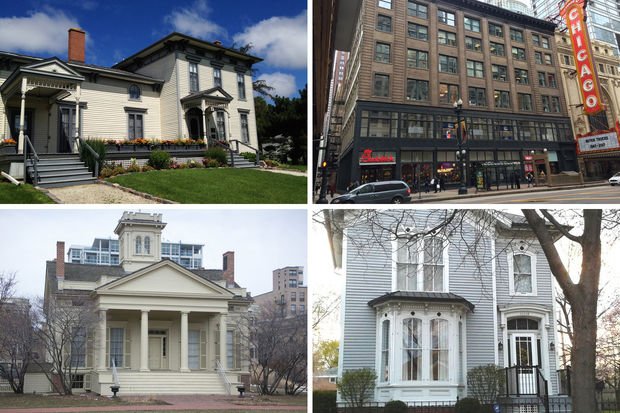
The oldest building in Chicago is the Noble-Seymour-Crippen House, a historic gem nestled in the heart of the city. Built in 1833, this architectural marvel boasts a rich tapestry of stories and secrets waiting to be uncovered. From its elegant facade to its intricate details, every corner of the Noble-Seymour-Crippen House holds a piece of Chicago’s past. Join us on a journey to explore the history and significance of what is the oldest building in Chicago.

What Is the Oldest Building in Chicago?
Chicago, known for its stunning skyline and rich history, is home to a plethora of iconic buildings that have stood the test of time. One of the most intriguing questions that often arises when exploring the city’s architectural heritage is: What is the oldest building in Chicago? Let’s embark on a fascinating journey through the annals of history to uncover the answer to this intriguing question.
The Historic Importance of Chicago’s Architecture
Before we delve into the specific building that holds the title of the oldest in Chicago, it’s essential to understand the significance of architecture in the city. Chicago’s architectural landscape serves as a testament to its evolution over the centuries, reflecting the diverse influences that have shaped the city into what it is today.
From the iconic skyscrapers that dominate the skyline to the historic structures that offer a glimpse into the past, each building in Chicago has a story to tell. Exploring the oldest building in the city provides us with a unique opportunity to connect with the roots of Chicago’s architectural legacy.
Uncovering the Oldest Building: Chicago’s Fort Dearborn
When we talk about the oldest building in Chicago, we must turn our attention to Fort Dearborn, a historic military fort that played a pivotal role in the city’s early days. Constructed in 1803, Fort Dearborn served as a strategic outpost during the War of 1812 and was a crucial hub for military operations in the region.
While the original fort no longer stands, its legacy lives on through the Fort Dearborn Massacre and the subsequent rebuilding of the fort. The fort’s strategic location near the mouth of the Chicago River made it a vital link in the chain of frontier outposts that protected the American frontier.
The Fort Dearborn Massacre: A Dark Chapter in Chicago’s History
One of the most tragic events associated with Fort Dearborn is the Fort Dearborn Massacre of 1812. During this harrowing incident, Native American tribes allied with the British attacked the fort, resulting in the deaths of many soldiers and civilians.
The massacre left a lasting impact on the region, shaping the course of future relations between settlers and Native American tribes. Despite the trauma inflicted by this event, Fort Dearborn remained a symbol of resilience and fortitude, embodying the spirit of early Chicago.
The Rebuilding of Fort Dearborn
Following the destruction wrought by the Fort Dearborn Massacre, the fort was rebuilt in 1816 under the direction of the United States Army. The reconstructed fort served as a symbol of American determination and resilience, standing as a testament to the enduring spirit of the settlers who called Chicago home.
The rebuilt Fort Dearborn continued to play a crucial role in the defense and development of the region, serving as a vital military outpost during a turbulent period in American history. While the fort has since been demolished to make way for urban development, its legacy lives on through historical records and archaeological findings.
Exploring Chicago’s Architectural Evolution
As we reflect on the historic significance of Fort Dearborn as the oldest building in Chicago, it’s essential to consider how the city’s architecture has evolved over the years. From the humble beginnings of a military fort to the towering skyscrapers that define the skyline today, Chicago’s architectural landscape is a testament to human ingenuity and creativity.
The diverse architectural styles that adorn the city’s streets showcase the melding of past and present, tradition and innovation. Exploring the oldest building in Chicago allows us to appreciate the rich tapestry of history that has shaped the city into a vibrant metropolis.
Preserving Chicago’s Architectural Heritage
As we celebrate the legacy of Fort Dearborn and its role as the oldest building in Chicago, it’s crucial to recognize the importance of preserving the city’s architectural heritage. Chicago’s historic buildings serve as tangible links to the past, offering us a window into bygone eras and inspiring future generations to cherish and protect these invaluable treasures.
Through initiatives aimed at conservation and restoration, we can ensure that the architectural gems of Chicago continue to captivate and inspire for generations to come. By honoring and safeguarding the oldest building in Chicago and other historic structures, we pay homage to the pioneers and visionaries who laid the foundation for the city we know and love today.
In conclusion, the oldest building in Chicago, Fort Dearborn, stands as a symbol of the city’s enduring spirit and rich history. By exploring the stories and events associated with this historic site, we gain a deeper appreciation for the architectural legacy that defines Chicago. As we continue to marvel at the architectural wonders that grace the city’s skyline, let us never forget the humble beginnings of Fort Dearborn and the role it played in shaping the vibrant tapestry of Chicago’s architectural heritage.
Why the Oldest Building in Chicago isn’t the Oldest
Frequently Asked Questions
What is the oldest building in Chicago?
The oldest building in Chicago is the Henry B. Clarke House, which was constructed in 1836. Located in the Prairie Avenue Historic District, this Greek Revival-style house is a significant historical landmark in the city.
Why is the Henry B. Clarke House considered historically important?
The Henry B. Clarke House is considered historically important because it survived the Great Chicago Fire of 1871 and is one of the few remaining structures from the early days of the city. It provides a glimpse into Chicago’s architectural and cultural history.
Who was Henry B. Clarke, and why was the house named after him?
Henry B. Clarke was a prominent Chicago businessman and politician in the mid-19th century. The house was named after him as he was one of its early owners and played a significant role in the development of the city.
Final Thoughts
The oldest building in Chicago is the Noble-Seymour-Crippen House, dating back to 1833. This historic structure provides a glimpse into the city’s architectural past. Preserved for its significance, the building stands as a testament to Chicago’s rich history. Discovering what is the oldest building in Chicago offers a unique opportunity to connect with the city’s roots.