
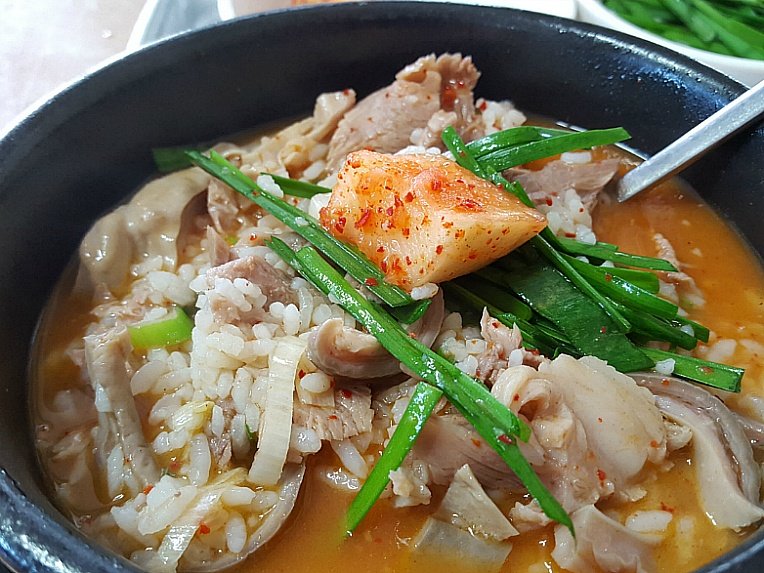
Gukbap – a comforting, nourishing Korean dish that warms the soul. Simmered in savory broth, this rice-based meal is a staple in Korean cuisine. What is gukbap, you ask? Picture a bowl filled with steaming rice, flavorful broth, and tender slices of meat. It’s a bowl of pure comfort, perfect for any occasion. Join us as we delve into the heart and soul of this beloved dish.

Exploring the Delicious World of Gukbap
If you are a fan of hearty and comforting meals, then you are in for a treat! Today, we are diving into the mouthwatering world of gukbap – a traditional Korean dish that has been satisfying taste buds for generations. So, what exactly is gukbap and why is it so beloved in Korean cuisine? Let’s uncover the secrets and flavors of this delightful dish!
The Origins of Gukbap
Gukbap, pronounced as “gook-bap,” translates to “soup rice” in Korean. It is a simple yet flavorful dish that has its roots in Korean history. Dating back to ancient times, gukbap was originally a dish enjoyed by farmers and commoners as a nourishing meal after a long day of hard work in the fields. Over the years, gukbap has evolved to become a popular comfort food enjoyed by people from all walks of life.
What Makes Gukbap Unique?
At its core, gukbap consists of a steaming bowl of rice served in a savory and aromatic broth. What sets gukbap apart from other Korean soups and stews is its simplicity combined with intense flavors. The broth, often made from simmering beef or anchovies with various seasonings, forms the soul of gukbap. It is rich, comforting, and packed with umami goodness that will warm you from the inside out.
The Essential Ingredients
One of the key ingredients in gukbap is **gukmul**, the broth. To create the perfect gukbap broth, chefs often use a combination of beef bones, radish, garlic, and various spices simmered for hours to extract all the deep flavors. The result is a fragrant and savory broth that forms the base of the dish.
**Rice**, the heart of gukbap, is cooked to perfection and serves as the foundation of the dish. The rice absorbs the flavorful broth, creating a harmonious blend of textures and tastes in every spoonful.
**Protein**, such as thinly sliced beef or pork, is a common addition to gukbap, adding a delicious meaty element to the dish. The protein is usually cooked in the broth, allowing it to soak in the flavors and become tender and succulent.
**Vegetables** like sliced green onions, bean sprouts, and kimchi are often served as side dishes to complement the richness of the broth. These fresh and crunchy vegetables add a burst of freshness and balance to the overall dish.
Regional Variations
Just like many traditional dishes, gukbap has regional variations across Korea. In Seoul, the capital city, gukbap is often served with a clear and mild broth, highlighting the purity of the flavors. In Busan, a coastal city known for its seafood, gukbap may feature a broth infused with the briny essence of clams or anchovies, adding a unique twist to the classic dish.
How to Enjoy Gukbap
Gukbap is more than just a meal – it is an experience. When you sit down to enjoy a steaming bowl of gukbap, you are not just nourishing your body but also feeding your soul. Here are a few tips on how to fully savor the flavors of gukbap:
1. **Mix It Up**: Before taking your first bite, gently mix the rice and broth together to ensure that every spoonful is a perfect blend of flavors.
2. **Customize Your Bowl**: Feel free to add condiments like soy sauce, sesame oil, or gochujang (Korean chili paste) to adjust the taste according to your preference.
3. **Sip and Slurp**: Don’t be shy about slurping the broth – it’s a sign that you are truly enjoying the meal and appreciating its richness.
4. **Enjoy the Side Dishes**: Take small bites of the side dishes in between spoonfuls of gukbap to refresh your palate and enhance the overall dining experience.
The Cultural Significance of Gukbap
In Korean culture, food is more than just sustenance – it is a way of connecting with others and celebrating traditions. Gukbap holds a special place in Korean cuisine as a symbol of comfort, warmth, and togetherness. Whether enjoyed as a quick lunch or a late-night snack, gukbap brings people together around the table to share stories, laughter, and good food.
Celebrating with Gukbap
During special occasions and holidays, gukbap is often served as a symbolic dish to bring good luck and prosperity to the family. Families gather around the table, sharing stories and memories while savoring the delicious flavors of gukbap. It is a tradition that has been passed down through generations, creating strong bonds and lasting memories.
Bringing People Together
In Korean communities around the world, gukbap serves as a reminder of home and heritage. Restaurants and food stalls offering authentic gukbap become gathering places for Koreans living abroad, creating a sense of community and belonging through shared meals and familiar flavors.
In conclusion, gukbap is more than just a bowl of soup and rice – it is a culinary journey that celebrates tradition, flavor, and community. Whether you are a fan of Korean cuisine or simply looking to explore new flavors, gukbap offers a delicious and comforting experience that will leave you craving for more. So, next time you are in the mood for a satisfying and soul-warming meal, why not indulge in a steaming bowl of gukbap? Your taste buds will thank you!
Iconic Pork Soup in Busan, South Korea: Dwaeji Gukbap #shorts
Frequently Asked Questions
What are the ingredients of Gukbap?
Gukbap is a traditional Korean dish that typically consists of rice cooked in a flavorful broth with various ingredients such as beef, pork, vegetables, and seasonings like garlic and soy sauce.
Is Gukbap a popular dish in Korean cuisine?
Yes, Gukbap is a beloved dish in Korean cuisine known for its comforting and hearty qualities. It is commonly enjoyed as a nourishing meal, especially during colder seasons.
How is Gukbap served?
Gukbap is usually served piping hot in a bowl, accompanied by side dishes like kimchi and pickled radishes. It is common to add condiments such as sesame oil, salt, or red chili pepper flakes to customize the flavor according to one’s preference.
Final Thoughts
Gukbap is a traditional Korean dish consisting of rice served in a hot soup. This comforting meal is typically enjoyed with various side dishes. The broth is rich and flavorful, often made with beef or anchovies. Gukbap is a popular dish that is loved for its warming and satisfying qualities. It is a staple in Korean cuisine, offering a hearty and delicious dining experience.