German silver, a popular metal alloy, holds its own unique value in the realm of antique collecting and jewelry making. So, what is German silver worth? The market price of German silver fluctuates based on factors like purity and market demand. Understanding the worth of German silver can help you make informed decisions when buying or selling items made with this versatile alloy. Let’s delve into the world of German silver and unlock its true value.

What Is German Silver Worth: A Comprehensive Guide
Welcome to our detailed guide on the worth of German silver! If you’ve ever come across German silver items or jewelry and wondered about their value, you’re in the right place. In this article, we’ll explore what German silver is, its properties, historical significance, and most importantly, how much German silver is worth in today’s market.
Understanding German Silver
German silver is a silver-colored alloy made from a blend of copper, zinc, and nickel. Despite its name, German silver contains no actual silver but gets its silver-like appearance due to its combination of metals. This alloy is also known as nickel silver or alpaca silver in different regions.
German silver is popular for making various items like tableware, jewelry, musical instruments, and decorative pieces. It gained popularity in the 19th century in Germany and was widely used for creating intricate designs due to its malleability and durability.
The Value of German Silver
When it comes to determining the worth of German silver items, several factors come into play:
1. Composition:
The exact composition of German silver can vary slightly, affecting its value. Higher-quality German silver with a higher nickel content tends to be more valuable.
2. Age and Rarity:
Antique German silver pieces or those from a renowned maker can fetch a higher price due to their historical significance and rarity.
3. Condition:
The condition of the German silver item is crucial in determining its value. Pieces in excellent condition without tarnish or damage are more valuable than those showing signs of wear.
How to Determine the Worth of German Silver
Here are some steps to help you assess the value of German silver items:
1. Conduct Research:
Begin by researching the specific piece of German silver you have. Look for any identifying marks or hallmarks that can indicate the maker or origin, which can significantly impact its value.
2. Consult Experts:
If you’re unsure about the authenticity or value of your German silver item, consider seeking advice from antique dealers, appraisers, or collectors who specialize in silverware.
3. Consider Market Trends:
Stay informed about current market trends for German silver. Prices can fluctuate based on demand, popularity, and economic factors.
Popular German Silver Items and Their Value
German silver items come in various forms, each with its unique value. Here are some popular German silver items and their approximate worth:
1. German Silver Jewelry:
German silver jewelry, such as necklaces, bracelets, and earrings, can range in value depending on design, craftsmanship, and condition. Vintage German silver jewelry pieces can be worth anywhere from $20 to a few hundred dollars.
2. German Silver Tableware:
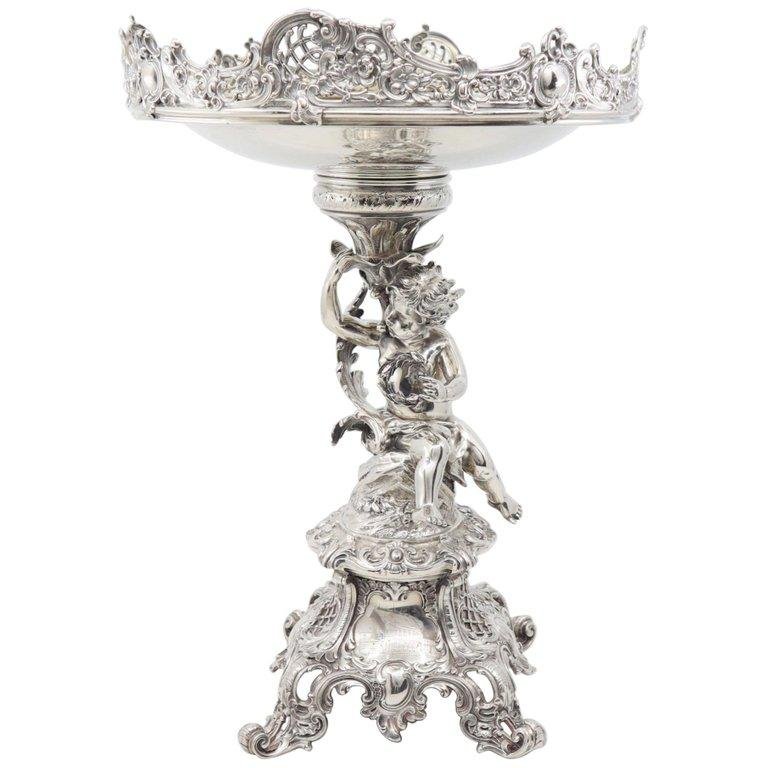
Antique German silver tableware sets, including flatware, serving trays, and tea sets, are highly sought after by collectors. Prices for German silver tableware can start from $50 for individual pieces and go up to thousands of dollars for complete sets from reputable makers.
3. German Silver Decorative Items:
Decorative items like German silver vases, candle holders, and figurines can vary in value based on their age, design intricacy, and condition. Unique decorative German silver pieces can be valued between $50 to $500 or more.
Preserving the Value of German Silver
To ensure the longevity and value of your German silver items, consider the following tips:
1. Proper Storage:
Store German silver items in a dry, airtight container to prevent tarnishing and minimize exposure to moisture.
2. Gentle Cleaning:
Use a soft cloth and non-abrasive silver polish to clean German silver gently. Avoid harsh chemicals that can damage the metal.
3. Avoid Excessive Handling:
Minimize handling German silver items to prevent scratches or wear and maintain their pristine condition.
In conclusion, German silver items have both intrinsic value and historical significance that make them prized possessions for collectors and enthusiasts. By understanding the factors that influence the worth of German silver and taking care of these items, you can appreciate their beauty and value for years to come.
We hope this guide has shed light on the worth of German silver and inspired you to explore the world of this fascinating alloy further. Remember that the true value of German silver goes beyond monetary worth; it lies in the stories and craftsmanship behind each piece.
Thank you for reading!
What Is German Silver and Why Isn’t It Actually Silver?
Frequently Asked Questions
What factors determine the value of German silver?
The value of German silver is influenced by factors such as the purity of the metal, market demand, and overall condition of the item. German silver, which is an alloy composed of copper, zinc, and nickel, is often priced lower than sterling silver due to its lower silver content.
How can I determine the worth of my German silver item?
To determine the value of your German silver item, you can consider its weight, design intricacy, any maker’s marks, and current market trends. If you are unsure, seeking evaluation from a reputable appraiser or a jeweler specializing in silver can provide you with a more accurate estimation.
Is German silver considered valuable in the market?
While German silver may not have the same intrinsic value as pure silver, it can still hold value as a decorative or collectible item. The worth of German silver items varies depending on factors like craftsmanship, historical significance, and desirability among collectors.
Final Thoughts
In conclusion, German silver is an alloy of copper, zinc, and nickel. While it resembles silver in appearance, it is not as valuable. German silver is mainly used in making decorative items and jewelry due to its affordability and durability. What German silver is worth depends on the current market demand and the quality of the alloy. As a cost-effective alternative to silver, German silver holds its own unique value in the world of metals.