
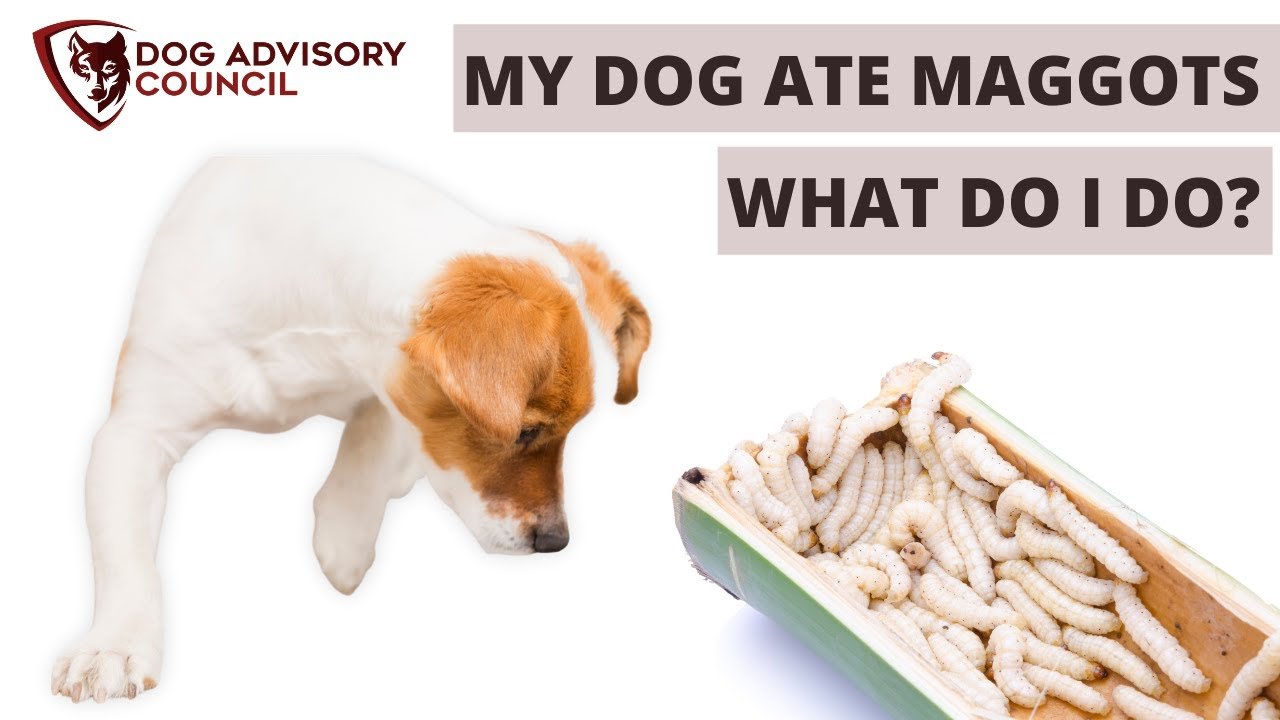
If you’re wondering what happens if a dog eats a maggot, rest assured that it’s a common concern among pet owners. When a dog ingests a maggot, it can lead to gastrointestinal upset, including nausea, vomiting, and diarrhea. These symptoms may vary depending on the dog’s size, overall health, and the number of maggots consumed. Monitoring your dog’s behavior and seeking veterinary care if necessary are crucial steps to ensure their well-being. Now, let’s delve into this topic further to understand the potential risks and how to handle such situations effectively.

What Happens If a Dog Eats a Maggot
Introduction
Our furry friends, dogs, are known to have curious appetites and tendencies to explore their surroundings with their noses and mouths. Sometimes, this curiosity can lead them to ingest things that may not be ideal for their health. One such concern is if a dog eats a maggot. In this article, we will delve into the potential consequences and steps to take if your dog consumes a maggot.
Understanding Maggots
Before we discuss what happens when a dog eats a maggot, let’s understand what maggots are. Maggots are the larval stage of flies, commonly found in decaying organic matter. They are small, white worm-like creatures that feed on decomposing material. While maggots are not necessarily harmful to the environment, they can pose risks if consumed by pets like dogs.
Potential Risks of Dogs Eating Maggots
When a dog ingests a maggot, there are a few potential risks involved. Maggots can carry harmful bacteria and parasites from the decaying matter they were feeding on. This can lead to gastrointestinal issues in dogs, such as vomiting, diarrhea, and abdominal discomfort. Additionally, if the maggots have ingested toxic substances from their environment, it can further exacerbate the health risks for your furry companion.
Symptoms to Look Out For
If your dog has consumed a maggot, it’s important to monitor their behavior and look out for any concerning symptoms. Some common signs that your dog may be experiencing issues due to ingesting a maggot include:
- Vomiting
- Diarrhea
- Lethargy
- Loss of appetite
- Abdominal pain
- Dehydration
What to Do If Your Dog Eats a Maggot
If you suspect that your dog has eaten a maggot, it’s essential to take prompt action. Here are some steps you can follow:
1. Monitor Your Dog
Keep a close eye on your dog for any unusual behavior or symptoms. If you notice any signs of distress, contact your veterinarian immediately.
2. Prevent Access to Maggots
Take measures to prevent your dog from accessing areas where maggots are present. Properly dispose of trash and clean up any decaying organic matter in your surroundings.
3. Consult Your Veterinarian
If your dog shows symptoms of illness after consuming a maggot, seek professional veterinary advice. Your veterinarian can assess your dog’s condition and recommend appropriate treatment.
Prevention Tips
While dogs are naturally curious animals, there are ways to minimize the risk of them eating maggots. Here are some prevention tips:
1. Proper Waste Management
Dispose of garbage in secure containers to prevent access by flies and maggots. Regularly clean your surroundings to eliminate potential breeding grounds for flies.
2. Supervise Outdoor Activities
When outdoors with your dog, supervise their activities to prevent them from coming into contact with decaying matter that may harbor maggots.
3. Training and Commands
Train your dog with commands that discourage scavenging behavior. Teaching them to “leave it” can help prevent them from ingesting harmful substances.
In conclusion, while it’s not uncommon for dogs to explore and occasionally ingest things they shouldn’t, consuming a maggot can pose risks to their health. By understanding the potential dangers and taking preventive measures, you can help keep your furry companion safe. Remember to consult your veterinarian if you have concerns about your dog’s well-being after eating a maggot. Stay informed and proactive in safeguarding your dog from potential hazards in their surroundings.
How Maggots Can Heal Wounds 😷
Frequently Asked Questions
What are the risks of a dog eating a maggot?
When a dog eats a maggot, there is a potential risk of ingesting harmful bacteria or parasites that the maggot may have been in contact with. This can lead to gastrointestinal issues, such as vomiting, diarrhea, or even more serious complications like bacterial infections.
What symptoms should I look out for if my dog eats a maggot?
If your dog has eaten a maggot, monitor them closely for signs of distress such as lethargy, loss of appetite, vomiting, diarrhea, or unusual behavior. If any of these symptoms persist or worsen, it is important to seek veterinary assistance promptly.
How should I respond if my dog eats a maggot?
If you suspect that your dog has eaten a maggot, it is essential to remain calm and observe their behavior for any signs of distress. Contact your veterinarian for guidance on the next steps to take, as they may recommend monitoring your dog at home or bringing them in for a check-up depending on the situation.
Final Thoughts
If a dog eats a maggot, it may experience an upset stomach or gastrointestinal issues. In some cases, the dog may vomit or have diarrhea as a result of ingesting the maggot. It is essential to monitor the dog for any signs of distress and consult a veterinarian if necessary. Remember, what happens if a dog eats a maggot can vary depending on the dog’s size and overall health.