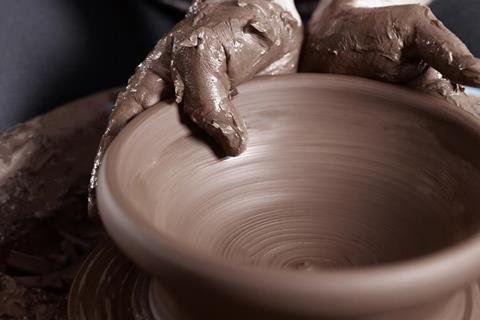
Plastic clay, a versatile material used in various artistic and industrial applications, serves as a moldable medium for creative expression. Its unique properties make it a favorite among sculptors, potters, and artisans alike. What is plastic clay, you may wonder? In its simplest form, plastic clay is a type of clay that is pliable and easily shaped when moist. Its ability to hold intricate details and textures sets it apart as a preferred medium for sculpting and pottery. Join us as we delve deeper into the fascinating world of plastic clay and its endless possibilities.

Understanding Plastic Clay: Everything You Need to Know
Welcome, young explorers! Today, we’re going to dive into the exciting world of plastic clay. Have you ever wondered what makes clay so special? How it can be shaped into wonderful creations? Let’s unravel the mystery of plastic clay together!
What is Plastic Clay?
Plastic clay, also known as modeling clay or pottery clay, is a type of soft and moldable material that is commonly used by artists, sculptors, and crafters to create various objects. It is made from natural earth materials and contains fine particles that give it a unique plasticity, allowing it to be shaped and molded easily.
The Origins of Plastic Clay
Clay has been used by humans for thousands of years. It was one of the very first materials used by our ancestors to create tools, pottery, and art. The use of clay dates back to ancient civilizations such as the Egyptians, Greeks, and Chinese, who all recognized the versatility and beauty of this material.
Plastic clay can be found in different parts of the world, often near riverbanks or in regions with rich deposits of sedimentary rocks. These natural clay deposits are carefully mined and processed to create the clay that we use for our artistic endeavors today.
The Magic of Plasticity
One of the most fascinating properties of plastic clay is its plasticity. But what exactly does that mean? Well, plasticity refers to the ability of the clay to be easily manipulated and molded into different shapes without cracking or breaking. Imagine having a material that behaves like soft dough but dries into a solid form – that’s the magic of plastic clay!
Artists love working with plastic clay because it allows them to explore their creativity and bring their ideas to life. Whether you’re sculpting a miniature animal, creating a decorative vase, or molding a unique figurine, plastic clay offers endless possibilities for artistic expression.
Types of Plastic Clay
There are several types of plastic clay available, each with its own unique characteristics and uses. Some common types of plastic clay include:
1. Earthenware Clay
Earthenware clay is a versatile type of clay that is easy to work with and suitable for beginners. It is known for its rich color and is often used for pottery, tiles, and decorative items.
2. Stoneware Clay
Stoneware clay is a durable and strong type of clay that is popular among professional potters. It can withstand high firing temperatures, making it ideal for creating functional pottery like plates, bowls, and mugs.
3. Porcelain Clay
Porcelain clay is a fine-grained and delicate type of clay that is prized for its translucency and white color. It is often used to create delicate pottery, fine china, and decorative objects.
Working with Plastic Clay
Now that you know more about plastic clay and its different types, let’s explore how you can work with this magical material to create your own masterpieces!
1. Preparation
Before you start working with plastic clay, it’s important to prepare your workspace. Make sure you have a clean surface to work on and gather all the necessary tools such as clay sculpting tools, a rolling pin, and a water sprayer.
2. Shaping and Molding
Start by kneading the clay to make it soft and pliable. This will help remove any air bubbles and make the clay easier to work with. Then, use your hands or tools to shape the clay into the desired form. Get creative and experiment with different shapes and textures!
3. Adding Details
Once you have the basic shape, you can add details and decorations to your clay creation. Use tools like carving tools, stamps, or clay extruders to create intricate designs and textures on the surface of the clay.
4. Drying and Firing
After you’ve finished shaping and decorating your clay masterpiece, it’s time to let it dry. Depending on the type of clay you’re using, you may need to air dry it or fire it in a kiln to harden the clay and make it permanent. Follow the instructions for your specific type of clay to ensure the best results.
Congratulations, young artists! You’ve now uncovered the secrets of plastic clay and learned how this wonderful material can be shaped into beautiful creations. Whether you’re a beginner or a seasoned artist, working with plastic clay offers endless possibilities for imagination and creativity. So grab a lump of clay, let your hands do the talking, and start sculpting your own magical world!
Remember, the beauty of plastic clay lies not just in the final masterpiece but in the journey of creation itself. So embrace the squishiness, enjoy the messiness, and let your artistic spirit soar with the limitless potential of plastic clay!
Polymer VS Plasticine Clay For Sculpting.
Frequently Asked Questions
What are the characteristics of plastic clay?
Plastic clay is a type of clay that possesses plasticity, which means it can be easily molded and shaped when moist. It has fine particles that allow it to hold its form and retain moisture, making it ideal for sculpting and pottery.
How is plastic clay different from other types of clay?
Plastic clay differs from other clays due to its plasticity, making it more suitable for intricate sculpting and detailed pottery work. It is known for its ability to be shaped and manipulated with ease.
What are the common uses of plastic clay?
Plastic clay is commonly used by artists and potters for creating ceramics, pottery, sculptures, and other artistic creations. It is widely utilized in the production of various clay-based products due to its moldability and workability.
Final Thoughts
In conclusion, plastic clay is a versatile material used in various industries. It is known for its malleability and ability to hold its shape when molded. Plastic clay’s unique properties make it ideal for sculpting, pottery, and construction projects. Its plasticity allows it to be easily shaped and formed into intricate designs. Embracing the versatility of plastic clay can lead to endless possibilities in creativity and construction.