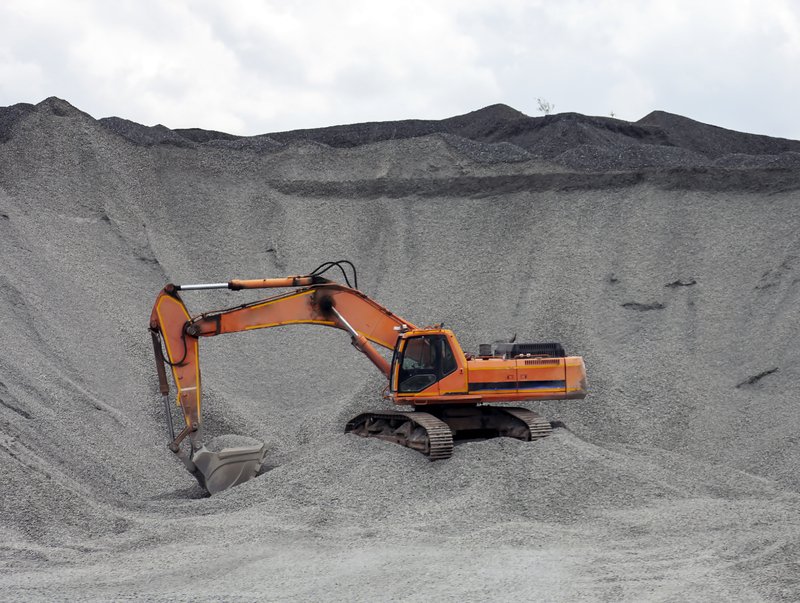
In construction, MOT stands for “Ministry of Transport.” It refers to a specific type of aggregate material used as a sub-base in road construction. Composed of crushed rocks and gravel, MOT is crucial for providing a solid foundation that can support heavy traffic loads. Understanding what MOT is in construction is essential for ensuring the durability and longevity of road infrastructure. Let’s delve deeper into the composition, benefits, and applications of MOT in the construction industry.

What is MOT in Construction: A Comprehensive Guide
Welcome to our in-depth guide on MOT in construction! Whether you’re a budding builder, a curious homeowner, or just interested in learning more about construction materials, understanding MOT is essential. In this article, we’ll delve into the world of MOT, exploring what it is, its importance in construction, how it is used, and much more. So, let’s get started!
The Basics of MOT
MOT stands for Ministry of Transport, a term commonly used in the construction industry to refer to a specific type of material used in road construction and maintenance. However, MOT is not limited to just roads; it has various applications in construction projects where a strong, durable, and stable foundation is required.
Composition of MOT
MOT is typically made up of a blend of crushed rock, gravel, sand, and other aggregates, combined to form a solid base material. The composition may vary depending on the specific requirements of the construction project, such as load-bearing capacity, drainage needs, and environmental factors.
Importance of MOT in Construction
One of the key reasons MOT is widely used in construction is its unmatched strength and stability. When properly compacted, MOT provides a solid foundation that can withstand heavy loads and resist settlement over time. This makes it an essential component in constructing roads, pavements, driveways, and other structures that require a durable base.
Applications of MOT
Now that we understand the basics of MOT, let’s explore some of the common applications of this versatile material in construction:
1. Road Construction
In road construction, MOT serves as the foundation layer that supports the upper layers of asphalt or concrete. Its excellent load-bearing capacity and stability help ensure the longevity and durability of the road surface, even under heavy traffic conditions.
2. Driveways and Pathways
For residential properties, MOT is often used to create driveways and pathways that can withstand regular vehicle and foot traffic. Its compacted nature prevents the formation of potholes and ensures a smooth and level surface for safe passage.
3. Foundation Stabilization
When building structures such as homes, commercial buildings, or retaining walls, MOT is utilized to stabilize the foundation and prevent settling or shifting of the structure over time. By providing a sturdy base, MOT helps ensure the structural integrity of the construction.
How MOT is Used in Construction
Using MOT in construction involves a series of steps to properly prepare, install, and compact the material for optimal performance. Here’s a brief overview of how MOT is typically used:
1. Site Preparation
Before laying down MOT, the construction site must be cleared of any debris, vegetation, or existing materials that could compromise the integrity of the base. Proper site preparation is crucial to ensure a solid foundation for the construction project.
2. Installation of MOT
Once the site is prepared, the MOT material is spread and compacted in layers to achieve the desired thickness and density. Specialized equipment, such as compactors, rollers, and graders, are used to ensure uniform compaction and smooth finish.
3. Quality Control
Throughout the installation process, quality control measures are implemented to verify the compaction levels, thickness, and overall quality of the MOT base. Testing methods such as density measurements and moisture content analysis help ensure that the material meets the required specifications.
Benefits of Using MOT in Construction
The use of MOT in construction offers a range of benefits that contribute to the success and longevity of building projects. Some of the key advantages include:
1. Strength and Durability
MOT provides a strong and durable foundation that can withstand heavy loads, traffic, and environmental factors, ensuring the longevity of the construction project.
2. Stability and Settlement Prevention
By offering excellent stability and resistance to settlement, MOT helps maintain the integrity of structures and surfaces over time, reducing the need for costly repairs or replacements.
3. Versatility and Adaptability
Due to its customizable composition and application, MOT can be tailored to meet the specific requirements of different construction projects, making it a versatile and adaptable material.
In conclusion, MOT plays a crucial role in construction by providing a solid foundation for various structures and surfaces. Its strength, durability, and stability make it a preferred choice for projects where reliability and longevity are essential. By understanding what MOT is, its applications, and how it is used, you can appreciate the importance of this material in the world of construction. We hope this guide has shed light on the significance of MOT and how it contributes to the success of building projects. Remember, a strong foundation is the key to a sturdy and enduring structure!
Thank you for joining us on this exploration of MOT in construction. If you have any questions or would like to learn more about this topic, feel free to reach out to us. Happy building!
What Is MOT In Construction? – Civil Engineering Explained
Frequently Asked Questions
What does MOT mean in construction?
In construction, MOT stands for Ministry of Transport. It refers to a specific type of aggregate material that meets certain specifications set by the Ministry of Transport for use in construction projects such as road building and maintenance.
How is MOT material used in construction?
MOT material is commonly used as a sub-base or base layer in various construction projects, particularly in road construction. It provides a stable foundation that can withstand heavy loads and promote proper drainage.
What are the characteristics of MOT material?
MOT material is typically durable, hard-wearing, and has good load-bearing properties. It is well-graded with a mixture of different sized particles that compact well to form a solid base for construction activities.
Why is MOT material important in construction?
MOT material plays a crucial role in ensuring the longevity and stability of construction projects, especially roads. Using MOT material helps prevent settlement, erosion, and other issues that may arise from poor foundation materials.
Final Thoughts
In conclusion, MOT in construction refers to the Ministry of Transport specifications for aggregates used in road construction. These specifications ensure that the materials meet the required quality standards for durability and performance. Adhering to MOT guidelines helps in creating long-lasting and safe road infrastructure. Understanding what MOT is in construction is crucial for contractors to deliver projects that meet regulatory standards.